
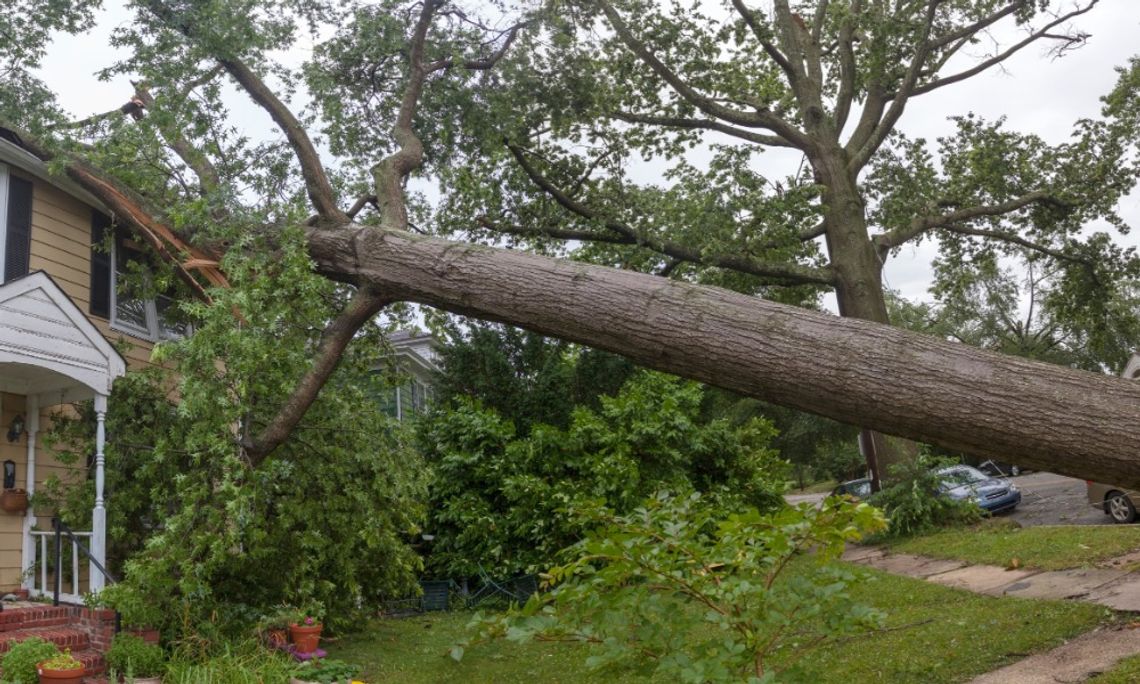
Severe weather can leave your home with unexpected damage and repairs that demand immediate attention. Powerful winds, heavy rain, and hail can compromise your property's structure and create problems that aren't immediately visible. Knowing how to respond can make a difficult situation much easier to manage.
The first few hours after a storm deserve special attention. Even when the damage appears minor, hidden structural problems or moisture intrusion can lead to expensive repairs if you overlook them. A careful response helps you protect your property without unnecessary risks.
You also need to consider your insurance coverage and the professionals responsible for repairs. These decisions can influence how quickly your home returns to its original condition. Understanding what to do after severe weather damages your home gives you a clear path toward recovery and greater confidence throughout the restoration process.
Make Safety Your First Priority
Before you assess the damage, make sure your home is safe to enter. Severe weather can weaken structures and leave dangerous conditions around your property. Never assume everything is secure simply because the storm has passed.
If you notice exposed electrical wires or serious structural damage, stay away from the affected area. Contact emergency services when necessary and follow their instructions. Wait for professional clearance before you return to areas that may present serious hazards.
Take a Closer Look at Your Property
Once conditions are safe, examine your home's exterior from the ground. Strong winds can loosen roof materials and damage exterior surfaces without immediately affecting the interior. Some problems may appear small but require professional attention.
Don't forget to check inside your home. Water stains and unusual odors can indicate moisture intrusion from damaged exterior materials. Pay particular attention to your attic, where roof leaks often become noticeable before they affect other areas.
Document the Damage Before Repairs Begin
Your insurance provider will need evidence of the damage before it can evaluate your claim. Clear photographs and detailed records can make this process easier. A few simple steps can help you create an organized record:
- Photograph damaged areas: Capture clear images of affected surfaces from safe locations.
- Record the storm details: Write down the date of the event and describe the damage you noticed.
- Document damaged belongings: Photograph affected personal property before disposal.
- Save important receipts: Keep records of emergency repairs and necessary expenses.
- Organize your documents: Store photographs and insurance correspondence together for easy access.
These records can become valuable throughout the claim process. They also provide contractors with a clearer picture of the property's condition before restoration begins.
Contact Your Insurance Company Promptly
Once you have documented the damage, contact your homeowner's insurance provider. Explain what happened and ask about the next steps required to submit a claim. Your representative can clarify the requirements that apply to your policy.
Following a reliable guide for the roof insurance claim process can help you understand the steps involved before you submit your claim. Your insurer may arrange a property inspection to evaluate the damage and determine eligible compensation. Keep a record of each conversation and request written clarification whenever you have questions.
Protect Your Home From Additional Damage
Storm damage can become worse if exposed areas remain vulnerable to rain or wind. A damaged roof, for example, may allow moisture to enter your attic and affect interior materials. Temporary protection can reduce further deterioration until permanent repairs begin.
Hire qualified professionals to secure exposed areas whenever the work presents safety risks. Avoid permanent repairs before your insurance provider has documented the damage unless immediate action is necessary. Save receipts for temporary work because your policy may cover reasonable emergency expenses.
Address Water Damage Without Delay
Water can travel far beyond the original point of entry. A small roof leak may affect interior materials before you notice visible damage. Moisture trapped inside walls can also create conditions that encourage mold growth.
Act promptly when you notice damp surfaces or unusual odors. Professional restoration specialists can assess concealed moisture and determine whether affected materials require replacement. Early intervention may prevent a relatively manageable problem from becoming a much larger restoration project.
Arrange a Professional Roof Inspection
Your roof absorbs much of the impact during severe weather. Hail can damage shingles, and strong winds may loosen materials without leaving obvious gaps. These problems aren't always visible from the ground.
A professional roofing contractor can examine vulnerable areas and identify damage that requires attention. Request a written inspection report with photographs and recommended repairs. This documentation can help you understand the roof's condition and provide additional evidence for your insurance claim.
Choose the Right Contractors for Repairs
Once you understand the extent of the damage, focus on selecting qualified professionals. Storm restoration requires experience, particularly when repairs involve structural components. The lowest estimate doesn't always represent the most appropriate solution.
Look for contractors with relevant experience and appropriate insurance coverage. Ask for written estimates that clearly explain the proposed work and expected costs. A dependable contractor should answer your questions and provide a clear explanation of the restoration process before work begins.
Understand Your Repair Costs
Insurance settlements don't always cover every expense associated with storm restoration. Your policy may include deductibles or coverage limitations that affect the final amount available for repairs. Review these details before making major financial commitments.
Compare your contractor's estimate with the insurance adjuster's assessment. If additional damage becomes apparent during repairs, contact your insurer and ask about supplemental claim procedures. Clear communication can help resolve differences between the documented damage and the proposed settlement.
Prepare Your Home for Future Severe Weather
Once your home is back to normal, consider what you can do to reduce future storm damage. Understanding what to do when severe weather damages your home also means taking preventive measures to protect your property. Regular roof inspections can help you identify vulnerable areas before another storm arrives.
Review your insurance policy periodically and keep updated photographs of your property. Store important documents somewhere secure and accessible during emergencies. A practical household emergency plan can also help your family respond more confidently when another major storm approaches.
Severe weather can cause serious property damage, but your response can influence how smoothly the restoration process unfolds. Start with personal safety and take time to document the condition of your home. From there, communicate with your insurance provider and work with qualified professionals to address the damage.
Remember that successful restoration involves more than repairing what you can see. Hidden moisture and unresolved structural problems deserve careful attention. With a clear plan and professional support, you can restore your home's safety and comfort and prepare your property for future severe weather.
Comment
Comments