
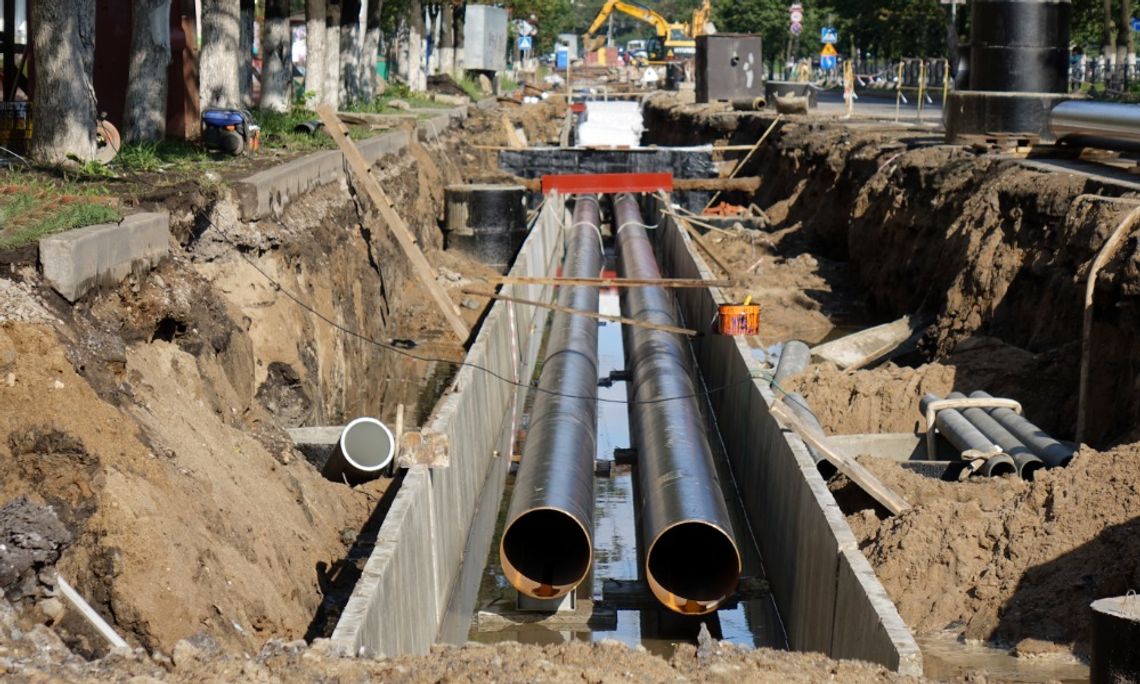
Municipal pipelines are essential to everyday life. They deliver clean water to communities and support the public services that residents and businesses depend on. However, these underground systems face constant pressure from age, environmental conditions, and increased water demands.
Pipeline maintenance involves more than repairing damaged pipes. Many problems develop beneath the surface, where they can remain unnoticed until a serious failure occurs. Without regular maintenance, minor defects can lead to expensive repairs and unexpected service interruptions.
Understanding the common challenges in municipal pipeline maintenance helps municipalities protect their infrastructure and make better decisions about repairs. Each water distribution network has different needs, and effective maintenance requires a clear understanding of its condition. A proactive approach helps reduce unexpected problems and keeps essential infrastructure in good condition.
Aging Infrastructure and Pipe Deterioration
Many municipal water systems still rely on pipes installed decades ago. As these pipes age, constant pressure and environmental exposure gradually weaken their structure. This deterioration increases the risk of leaks and unexpected failures that can disrupt water service.
Older pipes may also struggle to meet the demands of growing communities. Regular inspections help municipal departments identify weak sections before serious damage occurs. Based on the results, maintenance crews can determine whether repairs or complete replacement offer the most practical solution.
Difficulties With Underground Leak Detection
Underground leaks can remain hidden for months or even years. Water may escape beneath roads and sidewalks without producing obvious signs at the surface. Over time, these leaks can waste substantial amounts of water and weaken the soil around nearby infrastructure.
Finding the exact source of a leak requires specialized equipment. Acoustic sensors can help detect unusual sounds within pipes, but surrounding noise may affect their accuracy. Regular inspections and pressure tests help crews locate problems before they cause more extensive damage.
Limited Maintenance Budgets and Financial Constraints
Municipal departments often work with strict maintenance budgets. Unexpected repairs can quickly consume funds originally reserved for planned infrastructure improvements. As a result, other necessary projects may face delays, leaving vulnerable sections of the network without immediate attention.
Careful financial planning helps municipalities make better use of available resources. Departments can evaluate infrastructure conditions and prioritize repairs based on the risk of failure. This approach supports more responsible investments and reduces dependence on expensive emergency repairs.
Service Disruptions During Pipeline Repairs
Pipeline repairs often require temporary interruptions to water service. Even a small repair can affect an entire neighborhood if the distribution network lacks adequate isolation valves. These interruptions can create serious difficulties for residents and businesses that depend on a consistent water supply.
Careful preparation helps reduce the impact of necessary repairs. Municipal departments can identify affected areas and communicate expected service interruptions before crews begin work. Clear repair schedules also help maintenance teams restore water service as efficiently as possible.
Challenges With Flow Control and Pipeline Isolation
Controlling water flow is an important part of municipal pipeline repairs. Maintenance crews often need to isolate damaged pipe sections before they can safely complete their work. Older systems may lack functional isolation valves, making it difficult to limit service interruptions to a specific area.
Exploring the different types of insertion valves for flow control and line isolation can help municipalities identify practical solutions for existing pipelines. Certain insertion valves allow installation without a complete system shutdown, depending on the pipe and equipment requirements. Selecting the appropriate valve requires careful evaluation of the infrastructure and its operating conditions.
Soil Conditions and Environmental Damage
Underground pipelines face constant exposure to environmental conditions. Changes in soil moisture can cause the ground to expand or contract, placing pressure on buried pipes. Over time, this movement may weaken pipe connections and increase the risk of damage.
Corrosion also presents a serious concern for certain pipe materials. Soil conditions can accelerate deterioration, especially when moisture remains in contact with metallic pipes. Regular assessments help municipalities identify vulnerable areas and select materials appropriate for local environmental conditions.
Incomplete Infrastructure Records and Documentation
Accurate records make municipal pipeline maintenance more efficient. Unfortunately, many older water systems have incomplete maps or outdated information about previous repairs. Without reliable documentation, maintenance crews may struggle to locate pipes or understand the condition of underground infrastructure.
Digital records can help municipalities address these problems. A centralized database allows departments to maintain accurate information about their water distribution networks. Updated documentation helps crews prepare for repairs and supports better decisions about future infrastructure improvements.
Emergency Repairs and Unexpected Pipeline Failures
Unexpected pipeline failures can create serious problems for entire communities. A major pipe break may damage nearby roads and interrupt water service before maintenance crews can respond. Quick action is essential to control the damage and restore normal operations.
Emergency repairs become more difficult when damaged pipes lie beneath busy streets. Limited access can delay excavation and extend the time required to complete repairs. Established emergency procedures help municipal departments respond efficiently and reduce unnecessary service disruptions.
Workforce Shortages and Specialized Technical Expertise
Many of the common challenges in municipal pipeline maintenance become harder to address when departments lack experienced workers. Pipeline repairs require specialized knowledge and a clear understanding of water distribution systems. Staff shortages can delay inspections and place additional pressure on employees responsible for emergency repairs.
Modern repair equipment also requires proper technical expertise. Municipal departments must ensure that personnel understand the procedures necessary for safe and effective repairs. Qualified contractors can provide additional support when projects require skills beyond those available within the department.
Preventive Maintenance and Infrastructure Planning
Waiting until a pipeline fails can lead to expensive repairs. Minor defects often become more serious when maintenance crews cannot identify them early. A preventive maintenance strategy helps municipalities address infrastructure problems before they cause widespread service interruptions.
Regular inspections provide valuable information about the condition of water distribution networks. Municipal departments can use these results to establish maintenance schedules and prioritize necessary improvements. This approach helps reduce unexpected failures and supports more effective infrastructure planning.
Effective maintenance also depends on accurate infrastructure records and appropriate repair methods. Reliable isolation equipment can help maintenance crews complete necessary work with fewer service interruptions. Regular inspections allow municipalities to identify potential problems before they become more difficult to manage.
A proactive maintenance strategy offers the best foundation for dependable municipal water systems. By prioritizing preventive repairs and making informed infrastructure investments, municipalities can reduce unnecessary disruptions and extend the service life of their pipelines. Consistent maintenance helps protect public resources and ensures communities continue to receive reliable water service.
Comment
Comments