
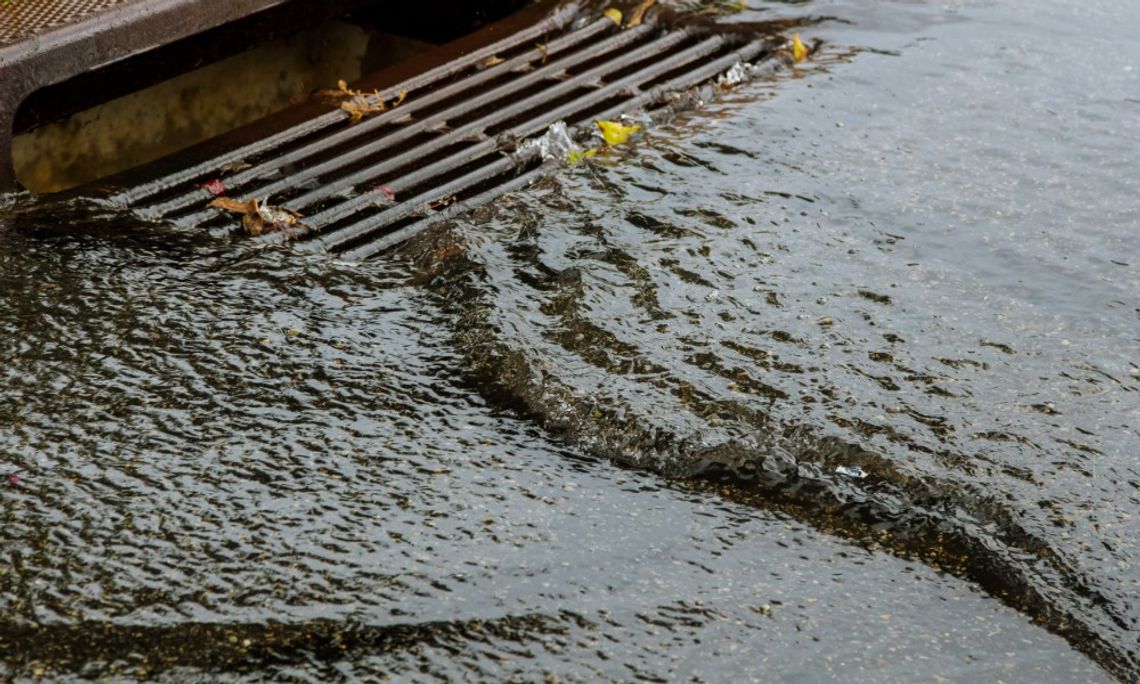
Rainfall often seems harmless once it disappears into a curbside drain. Yet the water flowing across streets, parking lots, roofs, and landscaped areas carries more than rain. It can collect sediment, trash, oil residues, fertilizers, and other pollutants before entering nearby waterways. As development replaces absorbent ground with hard surfaces, the volume and speed of runoff can increase. That is why stormwater management deserves more attention from property owners, businesses, and communities alike. Managing rainfall is not simply a matter of keeping roads dry. It is an essential part of protecting infrastructure, public health, local ecosystems, and long-term budgets.
Runoff Connects Everyday Spaces to Waterways
Stormwater begins as precipitation that cannot soak into the ground. On natural landscapes, vegetation and soil absorb or slow much of that water. In developed areas, pavement and rooftops redirect it toward gutters, drains, channels, and streams. Many storm drain systems discharge runoff without the same treatment that household wastewater receives.
This makes seemingly minor activities across a neighborhood relevant to downstream water quality. Litter left near a parking lot, soil exposed at a construction site, or excess lawn fertilizer can travel beyond the property where it originated. Because runoff crosses property lines, effective management requires attention to both individual sites and the larger drainage network.
Flooding Is Not Just a Coastal Concern
Heavy rainfall can overwhelm drainage systems far from rivers or coastlines. When inlets clog or water reaches a low-lying intersection faster than pipes can carry it away, localized flooding may occur. Even shallow water can interrupt deliveries, damage building materials, and create unsafe driving or walking conditions.
Repeated pooling also accelerates deterioration around foundations and paved surfaces. Cities can reduce these risks through drainage maintenance, thoughtful development standards, and investments in infrastructure sized for changing conditions. Property owners contribute by keeping approved drainage routes unobstructed, correcting grading problems, and addressing standing water before it becomes a recurring issue.
Pollution Prevention Starts Before the Storm
The most effective cleanup often happens before rain begins. Routine waste collection, covered material storage, prompt spill response, and careful use of landscape chemicals all reduce the contaminants available for runoff to carry. Outdoor maintenance matters as well, especially on commercial sites with frequent vehicle traffic.
Sweeping can remove loose sediment and debris, while washing may address adhered grime under appropriate wastewater controls. Understanding the difference between street sweeping and pavement washing helps managers choose a method suited to the surface and the pollution concern. Neither approach should send contaminated wash water directly into a storm drain. The broader goal is to prevent pollutants from entering the drainage system in the first place.
Green Infrastructure Can Work Alongside Pipes
Traditional drainage relies heavily on inlets, pipes, and channels that move water away quickly. Green infrastructure adds another strategy: capture, slow, filter, or absorb rainfall closer to where it lands. Rain gardens, bioswales, permeable pavement, planted buffers, and carefully designed retention features can reduce runoff volume or improve water quality when site conditions support them.
These installations are not maintenance-free. Vegetation needs care, sediment must be removed, and infiltration performance should be checked over time. Still, integrating natural processes with engineered drainage can provide multiple benefits, including cooler landscapes, more attractive public spaces, and reduced pressure on conventional systems.
Maintenance Determines Whether Systems Perform
A drainage feature that works on opening day may become ineffective after years of neglect. Leaves and litter can obstruct inlets. Sediment can fill catch basins or compromise infiltration areas. Damaged curbs and eroded channels can redirect flows toward places never intended to receive them. Inspection schedules should reflect local rainfall patterns, nearby trees, traffic levels, and known problem spots.
Maintenance crews should document recurring blockages rather than treating every incident as isolated. A repeated overflow may signal an upstream source of debris, an undersized component, or a grading issue. Identifying the cause is often more cost-effective than responding to the same problem after every storm.
Businesses Have a Practical Role to Play
Commercial properties often contain large roofs, loading areas, driveways, and parking lots, making them important parts of a watershed. Managers can begin with a site walk during or shortly after rainfall to see where water collects and how it moves.
They can then review dumpster placement, outdoor storage, landscaping practices, spill procedures, and contractor responsibilities. Clear expectations for cleaning and waste handling help avoid gaps between teams. Where required, businesses should also follow applicable stormwater permits and local discharge rules. A practical plan does not need to start with a major construction project; consistent housekeeping and targeted repairs can deliver meaningful improvements.
Planning for More Intense Rainfall
Communities should assess drainage capacity against current development patterns and the rainfall risks they face, rather than assuming historical conditions will remain unchanged. New buildings and paved areas can alter runoff even when each project appears modest on its own.
Municipalities can use watershed planning, updated flood information, and coordinated land-use decisions to prioritize improvements. Residents and businesses benefit when those decisions are communicated clearly, including where to report blocked drains and how to prepare vulnerable properties. Emergency response remains important, but prevention and resilience deserve equal attention in capital planning.
Community Habits Make a Measurable Difference
Residents also influence runoff through ordinary choices. Keeping leaves out of gutters, disposing of automotive fluids properly, picking up pet waste, and using fertilizers only as needed can reduce the burden on shared drainage systems. Neighborhood groups can organize litter collection and report persistent dumping or blocked inlets to local authorities.
Public education works best when it explains where storm drains lead and offers specific actions people can take. Schools, businesses, and community organizations can reinforce those messages through seasonal reminders. Although no single household can solve watershed-wide challenges, repeated small actions across many properties support larger infrastructure investments and help keep pollution prevention visible between major storms.
The Long-Term Value of Better Decisions
Stormwater improvements can compete with more visible priorities because their benefits are often measured in problems that never happen. A functioning drain avoids a closure; a well-maintained vegetated area captures sediment before it reaches a stream; a safer storage practice prevents a spill from spreading. These outcomes may be easy to overlook until a severe storm exposes weaknesses. Recognizing why managing stormwater deserves greater attention means treating runoff as a shared operational and environmental responsibility. With coordinated planning, routine maintenance, and sensible site practices, communities can protect water quality while reducing avoidable damage and disruption.
Comment
Comments