
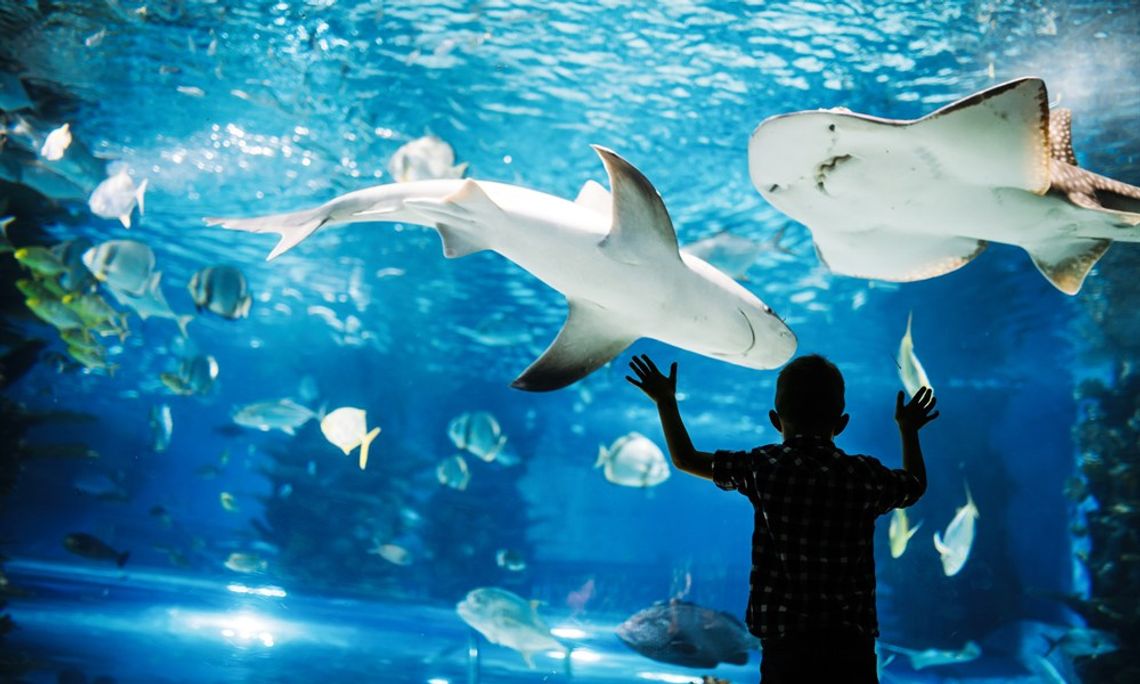
Picture yourself walking through an aquarium overlooking the Mississippi Gulf Coast. Sharks swim past enormous viewing windows, and everything seems perfectly at home beside the ocean. However, something is interesting about these waterfront attractions.
Before workers even think about filling the tanks, they have to figure out how to keep the building standing on difficult ground. Water seeps into excavations, and the soil beneath the site doesn't always cooperate. If you've ever wondered why building an aquarium near water gets tricky, you'll find much of the answer underneath those impressive exhibits.
The Ground Beneath the Site Holds a Few Surprises
Imagine finding a beautiful waterfront property with enough space for a major aquarium. The location looks perfect, especially with the ocean right outside. Then engineers examine the soil and discover the ground needs considerably more attention.
Waterfront properties often contain loose sediment that behaves differently from the dense soil you'd find farther inland. When groundwater moves through these materials, excavation becomes more complicated.
Before construction begins, engineers drill test holes to collect soil samples. They examine how the ground responds to pressure and determine whether the planned foundation will need additional support.
Those Giant Water Tanks Put Serious Pressure on the Foundation
Have you ever stood beside an aquarium tank and tried to guess how much water sits behind the glass? One gallon of freshwater weighs approximately 8.34 pounds. Now picture an exhibit holding a million gallons.
You're looking at more than eight million pounds of water, not including the tank itself. Engineers have to make sure the foundation supports all that weight without experiencing damaging movement. The challenge grows when different parts of the building carry dramatically different loads.
Even Small Foundation Movements Cause Trouble
Think about the enormous viewing windows. Each one needs a secure connection to the surrounding structure, and the window assemblies have to accommodate the pressures associated with a full tank.
If the foundation settles unevenly, the movement adds stress to those connections. Repairing the damage becomes especially difficult after workers finish installing the exhibits.
That's one reason aquarium construction requires so much planning before anyone breaks ground. Engineers need a foundation design that accounts for the site's actual soil conditions.
Groundwater Makes Digging Much More Complicated
Here's where waterfront construction gets frustrating: a crew starts excavating for the foundation, but water enters the hole before workers reach the required depth. Now they have to deal with wet soil that struggles to keep the excavation walls stable.
On certain projects, contractors use pumps to temporarily lower the groundwater level. This gives workers a drier area where they can complete the next stage of construction.
Unfortunately, removing groundwater affects the surrounding soil. If crews lower the water level too aggressively, nearby ground can settle. Engineers need to understand those risks before choosing a water-control method.
And the challenge doesn't disappear once construction ends.
Groundwater continues pushing against underground structures. When aquarium staff empty a belowground tank for maintenance, the surrounding water creates upward pressure on its floor. Engineers call this buoyancy. They design the structure to resist the pressure even when the tank sits empty.
It's a strange thought, isn't it? An aquarium needs an enormous amount of water inside its exhibits, yet water outside those same structures creates serious engineering problems.
Deep Foundations Require More Than Ordinary Drilling
Sometimes, the soil near a waterfront simply doesn't provide enough support for a large aquarium. Engineers then look deeper underground for material that can carry the building's weight.
This often involves installing deep foundations.
The trouble starts when contractors drill through unstable soil. Loose material falls into the borehole, interfering with the work and preventing crews from maintaining the opening they need.
One solution is to use casing in drilling projects. Contractors use steel casing to support the sides of certain boreholes while they construct foundation elements. Think of the casing as temporary support for the surrounding soil. It helps workers maintain an opening long enough to complete the foundation work.
Coastal Storms Change the Construction Plans
If you've lived in Mississippi for any length of time, you know severe weather deserves serious attention. Along the Gulf Coast, hurricane season creates additional concerns for buildings near the shoreline.
Consider the Mississippi Aquarium in Gulfport. Visitors get to explore aquatic exhibits near the coast, but the building's location also exposes it to coastal weather hazards.
Engineers evaluate flood risks before deciding how to protect vulnerable equipment. They consider the site's expected water levels during severe storms and determine which design measures suit the location.
For an aquarium, protecting the building itself is only part of the job.
What Happens When a Hurricane Knocks Out the Power?
Aquarium animals depend on equipment that maintains suitable water conditions. If a storm interrupts electricity, essential systems need an alternative power source.
This means the facility needs appropriate backup arrangements for its life-support equipment.
Imagine visiting an aquarium after a major storm. The exhibits appear normal, and the animals continue swimming through their tanks. Behind the scenes, staff have worked to maintain safe conditions despite the disruption.
You rarely see those systems during an ordinary visit, but they deserve plenty of attention during the design process.
Being Near the Ocean Doesn't Make Tank Maintenance Simple
You'd think building an aquarium beside the ocean would make caring for marine exhibits easier. After all, there's plenty of seawater nearby. Unfortunately, aquatic animals need water conditions that suit their specific habitats. The ocean outside doesn't automatically provide the right environment for every species inside.
Aquarium staff monitor water quality and operate treatment systems to maintain appropriate conditions. For engineers, this creates a major design challenge because the building needs room for extensive water circulation equipment.
Think about what happens when a pump breaks down.
Maintenance workers need access to the equipment to make repairs. If the original building design leaves little room around the machinery, even a routine maintenance job becomes difficult.
These systems operate throughout the day, so aquarium operators need a reliable way to monitor their performance.
Protecting Nearby Waterways Starts During Construction
An aquarium often encourages visitors to care about aquatic ecosystems. So, naturally, the construction process deserves attention when workers build near sensitive waterways.
Before digging begins, crews consider:
- Where rainwater will flow during heavy storms.
- How they'll prevent loose soil from washing into nearby waterways.
- Which areas need additional erosion protection.
- When workers should inspect their controls after rainfall.
Around Pelahatchie, construction projects near local waterways also need to consider how disturbed soil affects downstream water quality. Sediment doesn't necessarily stay where the rain first washes it away.
The next time you visit the Mississippi Aquarium in Gulfport, take another look at its waterfront location. You'll better understand why building an aquarium near water gets tricky. Those enormous tanks depend on careful engineering beneath the floor, where visitors never see the work that keeps everything stable.
Comment
Comments