
Construction projects depend on reliable machinery, coordinated schedules, and efficient operations to remain productive. When essential equipment breaks down, even a minor mechanical issue can create delays that affect workers, budgets, and project deadlines. Excavators, loaders, bulldozers, and other heavy machinery operate under demanding conditions, making regular maintenance essential for dependable performance.
Routine jobsite equipment inspections help construction teams identify developing mechanical problems before they result in costly downtime. By recognizing early warning signs, maintaining critical components, and addressing equipment concerns promptly, contractors can reduce downtime while improving workplace safety and operational efficiency.
Understanding the Financial Impact of Equipment Downtime
Unexpected equipment failures create expenses that extend well beyond the cost of replacing damaged components. Construction activities frequently depend on completing tasks in a particular sequence, meaning one malfunctioning machine interrupts several operations simultaneously.
For example, an excavator breakdown during site preparation may prevent crews from completing groundwork, delaying subsequent construction activities and disrupting scheduled material deliveries. Workers may remain idle while supervisors arrange repairs or replacement equipment, increasing labor costs without corresponding progress.
Emergency repairs also place unexpected pressure on project budgets. Contractors may need expedited replacement parts, specialized technicians, or temporary machinery rentals to resume operations. When these expenses occur alongside scheduling disruptions, a relatively minor mechanical failure becomes a significant financial setback. Regular inspections reduce these risks by identifying maintenance concerns while equipment remains operational, allowing repairs to be scheduled before problems become more serious.
Why Routine Equipment Inspections Are Essential
Heavy construction machinery experiences continuous exposure to dust, moisture, vibration, changing temperatures, and substantial mechanical loads. Over time, these conditions contribute to component wear, fluid deterioration, and reduced operating efficiency.
Without consistent monitoring, developing problems may remain unnoticed until equipment performance deteriorates or a complete failure occurs. A small hydraulic leak, for instance, may initially cause little disruption but eventually contribute to reduced system performance or component damage if left unresolved.
Routine inspections allow operators and maintenance personnel to recognize unusual conditions, investigate potential causes, and take corrective action before equipment becomes unreliable. This proactive approach supports longer equipment service life while reducing the likelihood of interruptions.
Critical Equipment Components That Require Regular Inspection
Effective inspections should address the mechanical, hydraulic, structural, and safety-related components most likely to affect machinery performance. Although specific requirements vary by equipment type, several areas deserve particular attention.
Hydraulic Systems and Fluid Levels
Hydraulic systems power essential functions in excavators, loaders, and other construction machinery. Damaged hoses, leaking fittings, contaminated fluid, or insufficient hydraulic oil reduces operating efficiency and contributes to premature component wear.
Operators should regularly examine visible hydraulic connections, monitor fluid levels according to manufacturer instructions, and report unusual changes in equipment responsiveness. Identifying these concerns early helps prevent minor hydraulic problems from developing into extensive repairs.
Tires, Tracks, and Undercarriages
Tires, tracks, and undercarriage components support equipment mobility and stability across uneven construction surfaces. Excessive wear, damaged tracks, improper tension, and accumulated debris can interfere with movement while placing additional stress on mechanical systems.
Regular inspections should include checking visible damage, examining track condition, and identifying loose or worn components. Addressing these issues promptly improves equipment reliability and reduces repair expenses.
Excavator Attachments and Connections
Excavator attachments experience considerable stress during digging, grading, demolition, and material-handling operations. Repeated movement and heavy loads gradually affect mounting points, pins, bushings, and hydraulic connections.
Operators should examine attachments for visible damage, loose connections, unusual vibration, and inconsistent movement. Understanding common excavator attachment issues and their causes can help maintenance personnel recognize potential mechanical concerns and determine when additional inspection or professional servicing is appropriate. Damaged or improperly secured attachments should be evaluated before further operation to prevent equipment damage and potential safety hazards.
Safety Systems and Warning Devices
Equipment inspections should also include brakes, warning indicators, backup alarms, mirrors, cameras, seat belts, and other protective components. Malfunctioning safety devices increase operational risks, particularly when heavy machinery operates near workers or other equipment. Any defect affecting safe operation should be corrected before the machine returns to service.
How Preventive Maintenance Helps Control Costs
Preventive maintenance complements regular inspections by addressing equipment needs before mechanical failures occur. Instead of waiting for machinery to become unusable, contractors can schedule lubrication, fluid replacement, component adjustments, and other servicing according to manufacturer recommendations and operating conditions.
This approach extends equipment service life by reducing wear and maintaining proper mechanical function. It can also prevent relatively inexpensive problems from causing damage to more costly components.
Scheduled maintenance provides greater flexibility than emergency repairs because contractors can coordinate servicing around project activities, arrange necessary replacement parts, and minimize disruptions to active operations. Maintaining accurate service histories also helps supervisors identify recurring problems and make informed decisions about equipment repairs or replacements.
An Effective Daily Inspection Routine
A successful inspection program depends on consistency, clear responsibilities, and timely follow-up. Operators should begin each workday with manufacturer-recommended pre-operation checks, examining visible components, fluid levels, potential leaks, and essential safety systems.
During operation, workers should remain alert to unusual noises, excessive vibration, reduced hydraulic responsiveness, overheating, or unexpected warning indicators. These symptoms may suggest developing mechanical problems requiring immediate attention.
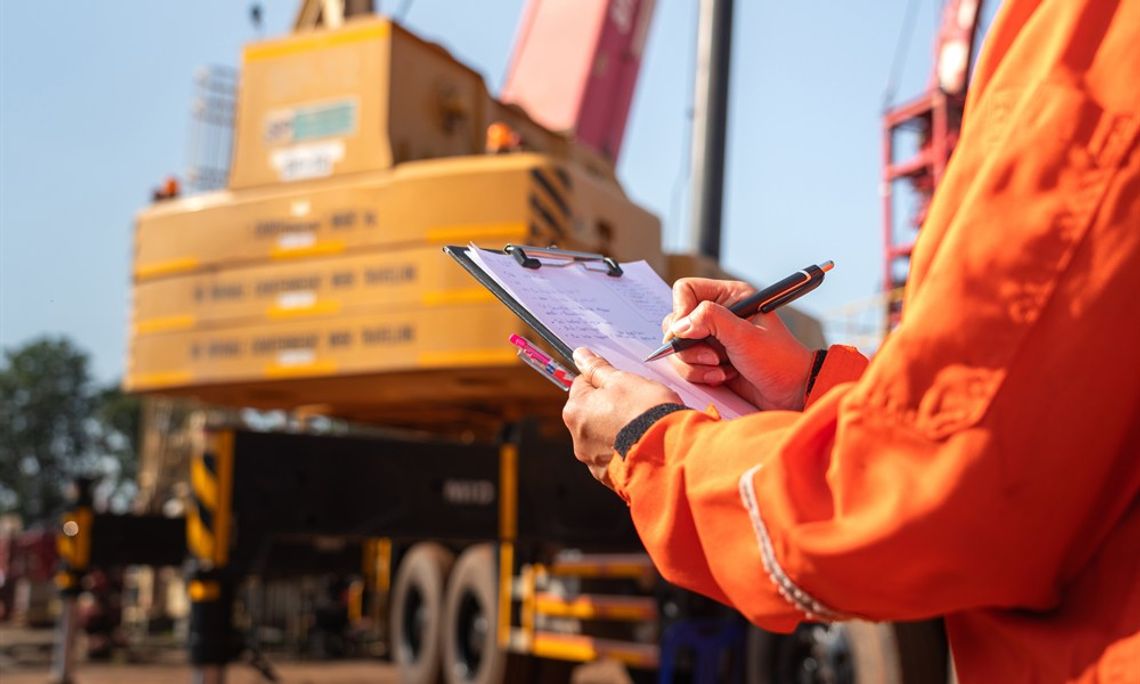
Inspection findings should be documented using written checklists or digital maintenance systems. Accurate records help supervisors track recurring issues, schedule repairs, and confirm that reported concerns have been addressed. Most importantly, inspections must lead to corrective action. Equipment presenting safety-critical defects should remain out of service until qualified personnel complete the necessary evaluation and repairs.
Workplace Safety Improvements Through Equipment Inspections
Reliable equipment maintenance contributes directly to safer construction environments. Mechanical failures involving brakes, hydraulic connections, lifting components, or attachment mounting systems create dangerous conditions for operators and nearby workers.
Regular inspections identify these hazards before they contribute to accidents, equipment damage, or injuries. However, inspections must follow established safety procedures, including appropriate equipment isolation and precautions around moving components or pressurized systems. Encouraging workers to report mechanical concerns promptly also strengthens workplace safety by preventing potentially hazardous equipment from remaining in operation.
Technology Supports Equipment Reliability
Modern fleet management systems and digital inspection tools make maintenance programs more efficient by tracking operating hours, service schedules, equipment histories, and reported defects. Some construction machines also provide diagnostic information about engine performance, operating temperatures, and mechanical fault codes. These features allow maintenance teams to recognize developing problems and prioritize necessary servicing. Although technology cannot replace physical inspections or qualified mechanical judgment, it provides useful information that supports more consistent maintenance decisions.
Keeping Construction Projects Productive
Preventing machine breakdowns requires ongoing attention to equipment condition, maintenance schedules, and operator observations. While no inspection process can eliminate every mechanical failure, consistent monitoring significantly improves the likelihood of identifying preventable problems before they disrupt construction activities.
Effective jobsite equipment inspections combine routine mechanical checks, preventive servicing, accurate documentation, and timely corrective action. By incorporating these practices into everyday operations, construction teams can protect valuable machinery, control repair expenses, improve workplace safety, and maintain dependable project schedules. Ultimately, keeping equipment operational begins with recognizing small problems before they become costly interruptions.
Comment
Comments