
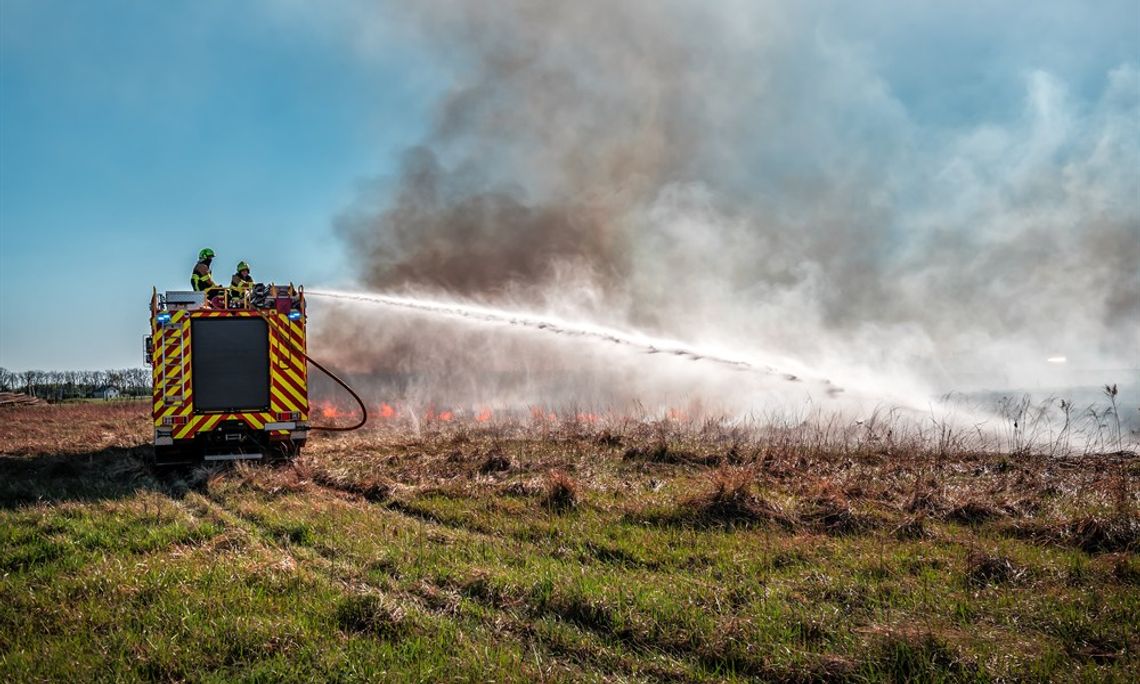
When a fire breaks out in a rural community, firefighters often face challenges that their urban counterparts rarely encounter. Long distances between properties and limited access to water can turn an ordinary emergency response into a complicated operation. Even experienced crews must approach these situations with careful planning and an understanding of their community’s unique needs.
Rural fire departments play an essential role in protecting homes and businesses across wide geographic areas. However, successful responses require more than dependable equipment and dedicated personnel. Understanding why rural fire calls demand different preparations can help departments strengthen their readiness and protect the communities they serve.
Longer Response Distances
Rural firefighters frequently travel considerable distances between their stations and emergency scenes. Winding country roads and isolated properties can make reaching an incident more complicated than navigating city streets.
Departments should evaluate their coverage areas and identify locations that require additional travel time. Familiarity with rural routes helps crews anticipate potential obstacles before an emergency occurs.
Regular driving exercises also give personnel experience navigating narrow roads with emergency vehicles. These preparations support safer travel and help drivers recognize routes that larger apparatus may struggle to access.
Limited Water Sources
Urban neighborhoods often provide convenient access to municipal hydrants. Rural communities may rely on wells or natural water sources that require additional planning during firefighting operations.
Departments should identify available ponds and other dependable water sources throughout their response areas. Crews also need to understand which locations provide suitable access for their equipment.
Preplanning water supply arrangements helps firefighters make informed decisions during emergencies. Regular inspections can reveal access problems before crews encounter them during an active incident.
Choosing Appropriate Fire Hoses
Water supply challenges can influence the equipment rural departments need for different emergencies. Long distances between water sources and fire scenes may require additional hose lengths or specialized supply arrangements.
Departments must have the right fire hose for their operational needs, including appropriate diameter and compatibility with existing connections. Regular inspections help crews identify damaged equipment that could interrupt water delivery.
Training should also cover proper hose deployment across uneven terrain. Familiarity with different hose configurations helps firefighters adapt to the conditions they encounter.
Tanker Operations
Many rural departments rely on water tenders or tankers when hydrants aren’t available. These vehicles transport water to emergency scenes and support firefighting operations in remote locations.
Coordinating multiple water deliveries requires planning and effective communication. Departments should practice approved shuttle operations and identify safe areas for filling vehicles.
Crews must also account for narrow roads and limited turnaround space. Careful route planning can reduce unnecessary delays while protecting personnel during water transportation.
Volunteer Staffing Challenges
Volunteer firefighters provide essential emergency services throughout rural America. However, many volunteers balance their department responsibilities with regular employment and family commitments.
Departments may have fewer available responders during certain hours. Leaders should review staffing patterns and identify situations that require additional assistance.
Cross-training can help personnel understand different responsibilities during smaller-crew responses. Clear assignments also allow arriving firefighters to contribute effectively without confusion.
Mutual Aid Coordination
Rural emergencies sometimes require resources beyond what one department can provide. Neighboring agencies can offer additional personnel or equipment when incidents demand a larger response.
Departments should establish mutual aid agreements and review operational expectations with their partners. Joint exercises help firefighters become familiar with different equipment and communication procedures.
Strong relationships between neighboring departments can improve coordination during challenging incidents. Regular conversations also help leaders address potential resource shortages before emergencies arise.
Difficult Property Access
Rural properties may sit at the end of lengthy driveways or narrow private roads. Low branches and soft ground can create obstacles for heavy firefighting apparatus.
Pre-incident visits help departments identify properties with challenging access conditions. Crews can also discuss potential improvements with property owners when appropriate.
Understanding these limitations allows incident commanders to consider alternative equipment placement. Planning ahead reduces the likelihood of discovering serious access problems during an emergency.
Agricultural Fire Hazards
Farms introduce fire risks that differ from those in typical residential neighborhoods. Barns and equipment storage buildings may contain combustible materials that influence fire behavior.
Departments should learn about common agricultural operations within their coverage areas. Familiarity with livestock facilities and equipment storage areas helps firefighters anticipate potential complications.
Training can also address safe approaches to farm structures and coordination with property owners. These preparations support informed decisions when firefighters encounter unfamiliar agricultural environments.
Wildland Fire Exposure
Many rural communities include grasslands and wooded areas near homes. Dry vegetation and changing winds can allow outdoor fires to spread rapidly across neighboring properties.
Departments should evaluate seasonal wildfire conditions and review their available response capabilities. Appropriate protective equipment and specialized training can help personnel address vegetation fires within their qualifications.
Coordination with wildland firefighting agencies may provide additional support during larger incidents. Rural departments benefit from understanding when to request specialized resources.
Communication Difficulties
Reliable radio communication can become challenging across remote terrain. Hills and valleys may interfere with signals, creating communication gaps between responders.
Departments should identify known coverage limitations and establish approved communication procedures for those areas. Testing radio performance during training can reveal weaknesses that require attention.
Clear communication becomes especially important when crews operate far from additional resources. Personnel need dependable methods for sharing incident updates and requesting assistance.
Extreme Weather Conditions
Rural roads can become difficult to navigate when winter storms or heavy rain affect local conditions. Emergency vehicles may encounter icy hills or roads that restrict access to isolated properties.
Departments should review weather-related response procedures before challenging seasons arrive. Appropriate vehicle maintenance and route awareness can support safer operations.
Firefighters also need to recognize how weather affects water supply arrangements and equipment performance. Preparing for seasonal changes helps departments avoid preventable complications.
Extended Incident Operations
Some rural emergencies require crews to work for extended periods before additional support arrives. Long operations can place considerable physical demands on firefighters.
Departments should establish procedures for monitoring personnel fatigue and arranging appropriate rehabilitation. Access to drinking water and suitable rest areas supports firefighter well-being during demanding incidents.
Incident commanders must also consider replacement crews when operations continue. Planning for sustained activity helps departments manage limited personnel resources.
Equipment Maintenance
Remote fire scenes offer fewer opportunities to replace malfunctioning equipment quickly. A broken connection or unreliable pump can create serious challenges when backup resources remain far away.
Regular maintenance helps departments identify problems before emergency calls occur. Firefighters should inspect essential equipment and document concerns according to department procedures.
Organized storage also makes equipment easier to locate during urgent responses. Consistent maintenance practices support dependable performance when crews need their tools most.
Practical Training Exercises
Rural departments benefit from training scenarios that reflect the emergencies they encounter. Exercises at realistic locations can expose challenges that station-based instruction might overlook.
Consider practicing water supply operations or responses involving limited access. Include neighboring departments when exercises require coordination across multiple agencies.
After each session, review what worked and identify opportunities for improvement. Constructive feedback helps crews refine their preparation for future emergencies.
Preparing for the Next Call
Understanding why rural fire calls demand different preparations helps departments recognize the importance of local planning. Limited water availability and challenging travel conditions require firefighters to develop flexible response strategies.
Every rural community presents its own challenges, but thoughtful preparation gives firefighters a stronger foundation for handling emergencies. By understanding their response areas and practicing realistic scenarios, departments can serve their communities with greater confidence and effectiveness.
Comment
Comments